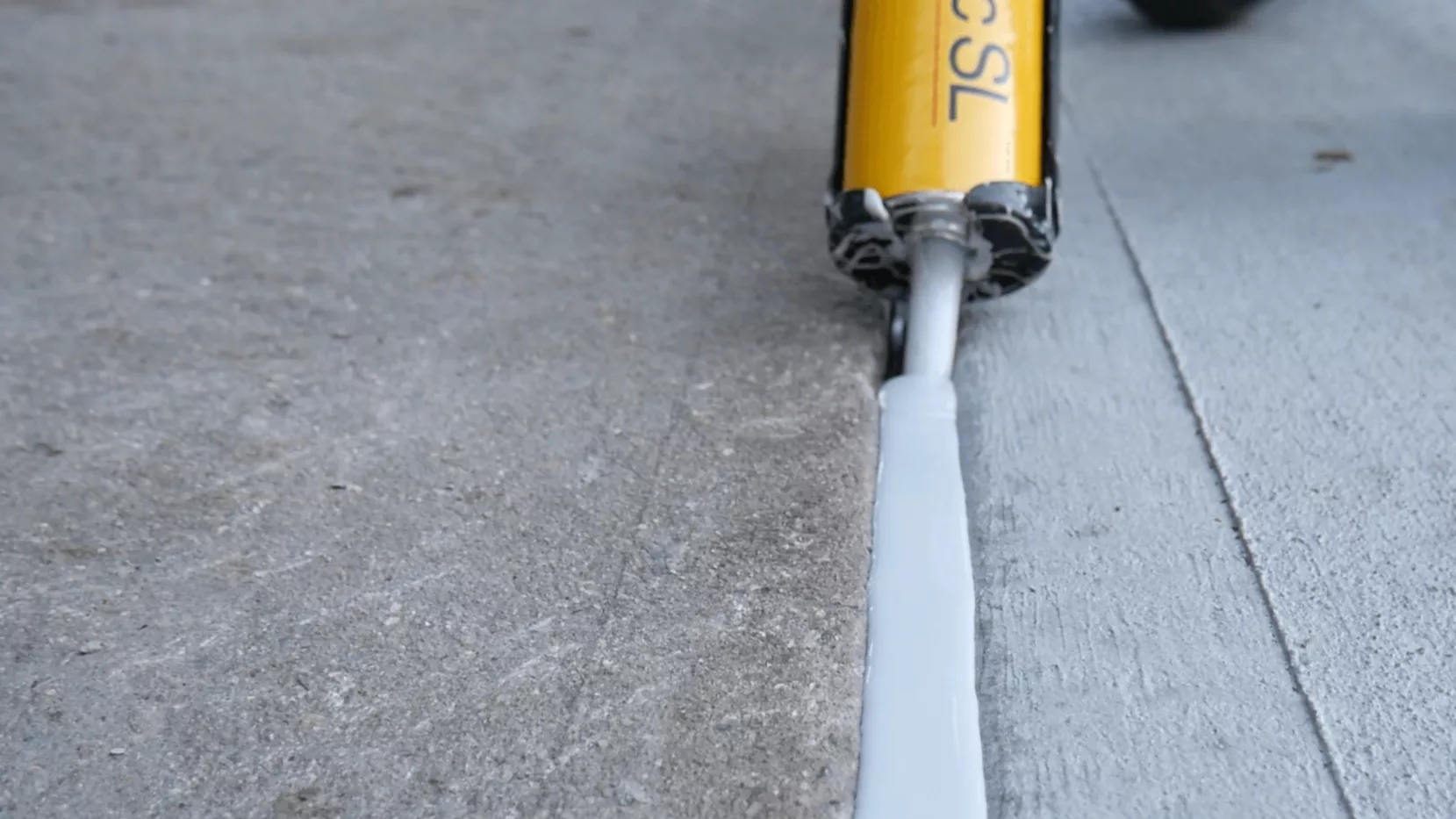
Expansion joints on commercial flat roofs in Omaha take more thermal movement than anywhere else in the assembly — the full range from -25°F in January to 100°F-plus at the roof surface in August. Failed expansion joint covers and membrane bridging failures are direct leak paths. We repair them with HVAC-rated covers and membrane-compatible details that accommodate the actual movement range.
An expansion joint is a designed break in a building's structure that allows adjacent sections to move independently without stressing the structure. At the roof level, the expansion joint is covered with a flexible assembly — typically a metal-clad cover with an elastomeric or foam core, or a membrane bridging system — that seals the joint against water while allowing the structural movement below.
In Omaha's climate, the thermal movement across an expansion joint from January to August is extreme. The structural concrete or steel at -25°F in January may be 100 to 120 degrees warmer in August — a dimensional change that the joint cover must accommodate without splitting, pulling away from the substrate, or bridging failure in the membrane that seals the joint edges to the field membrane.
Failed expansion joint covers are one of the leak sources most often overlooked in preliminary inspections. The cover may look intact from 10 feet away — the metal cladding holds its shape — while the internal elastomeric element has dried out and cracked, or the membrane transition at the cover edge has pulled away from the field membrane. Water enters at the split and runs inside the joint to the wall or deck below, appearing as a leak at the interior wall or at the soffit at a level well below the roof plane.
How Expansion Joint Failures Occur
Elastomeric core degradation: The elastomeric or foam element inside a standard metal-clad expansion joint cover deteriorates over time — UV-exposed foam compresses, loses its elastic memory, and eventually cracks under the repeated compression and extension of the thermal cycle. Once the core is compromised, the metal cladding is no longer anchored to the joint faces and begins to lift and shift.
Membrane bridging failure: Some expansion joints on Omaha commercial roofs use a membrane bridging system rather than a pre-formed cover — a flap of high-elongation membrane bonded on both sides of the joint, free in the center to accommodate movement. If the bonded edges de-bond, or if the membrane bridge is too short to accommodate the actual movement range and has been placed in tension repeatedly, it tears at the centerline or at the bonded edge.
Anchor failure: Metal-clad expansion joint covers are mechanically attached to the roof substrate on both sides of the joint. In Omaha's freeze-thaw climate, the repeated movement at the anchor points eventually works fasteners loose, particularly in wood nailer substrates that have absorbed moisture and cycled repeatedly. Once the anchor holds are compromised, the cover begins to shift transversely and the seal at the cover-to-membrane transition opens.
Incorrect cover size: Expansion joint covers are designed for a specific movement range. An original installation that used a cover rated for 1-inch movement on a joint that actually moves 1.75 inches across Omaha's thermal range will be in tension at peak cold every January — the cover will eventually split or pull out of its anchors. We measure joint width at both winter and summer survey visits to confirm the actual movement range before specifying a replacement cover.
Repair and Replacement Options
Pre-formed expansion joint covers: Carlisle, Sika Sarnafil, Johns Manville, and other commercial roofing manufacturers offer pre-formed expansion joint covers in aluminum-clad, galvanized, and stainless configurations with EPDM or neoprene core elements rated for the -25°F to +200°F range that Omaha commercial roof surfaces require. We specify covers by the building's structural movement range and the field membrane system, then integrate them into the field membrane with manufacturer-compatible flashing membrane at the transition.
Membrane bridging: High-elongation EPDM or TPO bridging membranes are appropriate for joints with moderate movement ranges where the cover profile height would conflict with rooftop equipment or drainage patterns. The bridging membrane is bonded to both joint faces using compatible adhesive with a free-floating central section sized for the actual movement range. Bridging repairs on failed systems involve removing the failed bridge, cleaning and priming the substrate, and installing a new bridge sized to the actual movement range.
Integration with field membrane: The transition between the expansion joint cover or bridge and the adjacent field membrane requires a compatible flashing membrane strip welded (TPO), bonded with seam tape (EPDM), or hot-applied (modified bitumen) to both the cover edge and the field membrane. This transition is the point most likely to reopen if the cover moves beyond its design range — we confirm it is correctly sized and installed before closeout.
Documentation and Warranty Integration
Expansion joint repair on a roof carrying an active manufacturer warranty requires manufacturer-approved materials and methods at the transition to the field membrane. We work within the manufacturer's approved detail library for the joint-to-membrane transition and notify the warranty holder of the repair scope before work begins.
Every expansion joint repair is documented with before and after photographs, a written description of the failure mode, the materials installed, and the manufacturer specifications of the replacement cover or bridging system. This documentation belongs in the building's permanent roof record — the next owner or the manufacturer warranty desk will need it when the next major repair or replacement project is scoped.
Frequently asked questions
How do I know if my expansion joint is the source of my roof leak?
Interior staining that tracks down an interior wall at a location that corresponds to the building's structural joint line is the strongest indicator. Expansion joints in large Omaha commercial buildings typically run parallel to the building's long axis or at right angles to it, crossing the full roof width — interior staining that follows that line through multiple rooms or floors points directly to the joint. We confirm with a controlled water test at the joint before committing to a repair scope.
How long does an expansion joint cover last?
Pre-formed metal-clad covers with quality elastomeric cores typically last 15 to 25 years in Omaha's climate — closer to 15 years on joints with maximum movement range and direct solar exposure. High-elongation membrane bridging systems typically last 10 to 15 years. Both are expected to outlast neither the field membrane nor the flashing transition — the transition to field membrane typically needs re-work at the field membrane's first major maintenance cycle, regardless of cover condition.
Do expansion joint repairs require building permits in Omaha?
Expansion joint cover replacement is typically classified as routine roof maintenance and does not require a City of Omaha building permit. Structural modification to the joint itself — changes to the joint width or the structural separation — would require permitting. We confirm the applicable code classification for each project scope before work begins and pull permits where required.
Failed expansion joint on your Omaha commercial roof?
We size, specify, and install replacement covers or bridging systems rated for Omaha's full thermal range — integrated with your field membrane and documented at closeout.
Ready to talk through a roof?
Tell us about the building and the roof problem. We'll document it and put a plan in writing — with an honest repair-vs-replace recommendation and no upsell pressure.