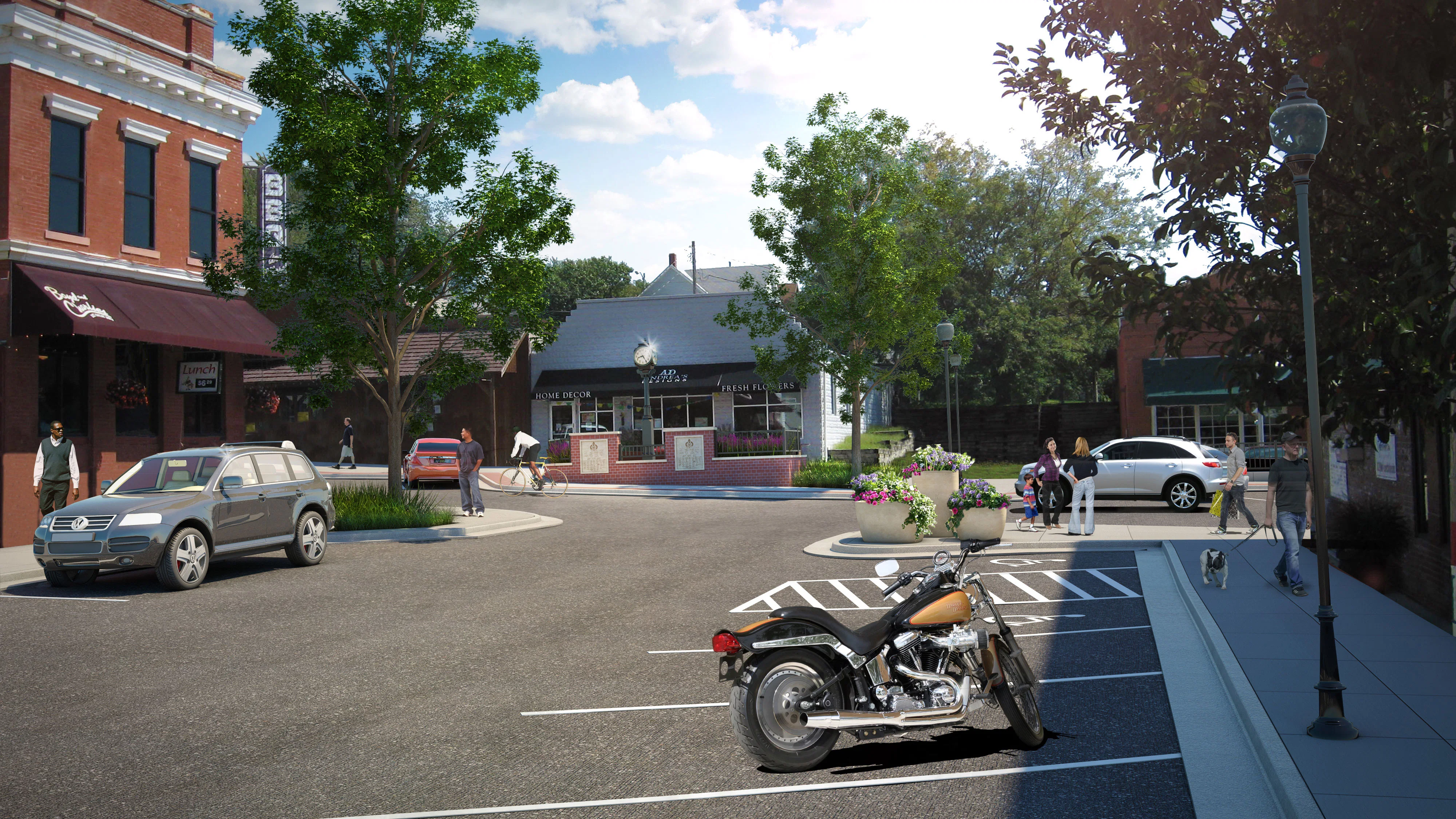
Elkhorn was annexed by Omaha in 36 — a mix of newer retail and medical office serving the West Omaha residential boom and the growing suburban commercial fringe along Highway 36 west.
Elkhorn occupies the far west edge of the City of Omaha after its 2004 annexation. The area's commercial development has accelerated alongside West Omaha's residential growth, with the 204th Street and Highway 36 corridors carrying the densest commercial inventory. Medical office buildings serving the western residential base, retail centers defined by national tenants, and the growing industrial development along West Maple Road represent the three main commercial roof segments in this part of the metro.
We service Elkhorn from our corridor is 35-. Emergency calls in Elkhorn get routed to the closest crew in the field — we typically have West Omaha crews in the 168th-to-192nd Street zone during business hours that can reach Elkhorn in 15-20 minutes.
Elkhorn's commercial inventory is predominantly 2000s and 2010s construction. That age profile means most buildings are on first maintenance cycles for 60-mil TPO systems installed during the initial buildout. The oldest commercial buildings in the Elkhorn core — along Maple Street and in the original downtown area — carry modified bitumen or early single-ply systems from the 1990s that are entering end-of-life assessment.
204th Street and West Dodge Road — New Construction Corridor
The commercial buildout along 204th Street from West Dodge Road north to West Maple Road is one of the newest commercial corridors in the metro. Grocery-anchored retail centers, medical offices, financial services, and national chain restaurants sit on TPO roofs installed between 2005 and 2020 — mostly 60-mil mechanically attached systems on ISO insulation.
New construction in this corridor is still ongoing. We provide roof system specification review and warranty documentation for new construction projects through general contractor and developer relationships. The value of involving us at the specification stage rather than the closeout stage is significant: a manufacturer warranty that starts with a properly specified and installed system carries more long-term value than one that starts with an installation that barely passed the manufacturer's field inspection.
Open-exposure conditions along the 204th Street corridor — particularly for buildings on the west side of the street with unobstructed exposure to the northwest — are more demanding than urban-core West Omaha. We design fastener patterns from actual exposure conditions on every project, not from a standard template that assumes Exposure B urban conditions.
Elkhorn Core and Historic Highway 36 Corridor
The original Elkhorn commercial core along Maple Street and the Highway carries a different inventory than the new-construction suburban ring. These buildings were constructed in the 1980s and 1990s and carry modified bitumen or early single-ply systems that are now 25-35 years old — past manufacturer-design life and operating on borrowed time.
We assess these buildings with moisture core pulls and a condition report that gives the owner a clear picture of the asset: remaining useful life estimate, the cost difference between a recover option (if the insulation is dry and the deck is sound) and a full replacement, and the capital timeline for each path. Several Highway 36 corridor buildings we have assessed were on the recover-versus-replace line — the decision depends on moisture core results, which we provide before any scope is written.
The Highway intersection runs into more open agricultural terrain. Wind exposure increases as the suburban windbreak decreases. Buildings on the west end of this corridor sit in more exposed conditions than those in the developed Elkhorn core.
West Maple Road Industrial Fringe
The industrial and commercial development along West Maple Road north of the Elkhorn commercial core is a growing segment. Light industrial, contractor yards, and service commercial buildings are filling in the West Maple Road corridor between 192nd and 216th Streets. These buildings are mostly 2010s construction on standard 60-mil TPO systems, and most are in warranty-maintenance mode rather than replacement mode.
We hold maintenance agreements on several West Maple Road commercial buildings. Annual maintenance visits cover the same failure modes we address across the metro: freeze-thaw flashing cracks at parapets and penetrations, drain maintenance, seam probe-testing on mechanically attached systems at ridgelines, and walkway pad inspection on any building with rooftop equipment.
Frequently asked questions
Is Elkhorn part of Omaha for permitting purposes?
Yes. Elkhorn was annexed by the City of Omaha in 2004. Commercial roof permits in Elkhorn are pulled through Omaha Development Services, not a separate Elkhorn building department. Inspections are scheduled with Omaha's inspection team.
What is the dominant roof system on newer Elkhorn commercial buildings?
Mechanically attached 60-mil TPO on ISO insulation over metal deck — the standard specification for most West Omaha suburban commercial construction from industrial corridor specify 80-mil TPO for the additional puncture resistance and extended warranty term.
How far is Elkhorn from your office?
35- office in Downtown Omaha. During business hours, we typically have crew in the West Omaha corridor that can reach Elkhorn in 15-20 minutes for emergency response.
Elkhorn commercial roof inspection or replacement scope?
We service the full West Omaha suburban fringe including Elkhorn. Documented assessment, written scope, capital number — same process we use across the metro.
Ready to talk through a roof?
Tell us about the building and the roof problem. We'll document it and put a plan in writing — with an honest repair-vs-replace recommendation and no upsell pressure.