A cinema is a cluster of big dark boxes under one very wide, very busy roof, and that is exactly what makes it a specialty. We work on the multiplexes and entertainment-anchored centers around Omaha — the large-format houses near Oak View Mall off 144th, the screens at Village Pointe and out near 168th and Maple, the long-running auditoriums by Westroads, and the entertainment boxes scattered through the retail nodes in Papillion and Bellevue. Every one of them puts a roof over auditoriums that span far wider than a normal commercial bay and pack the rooftop with mechanical equipment, and the roof has to keep all of it dry and quiet at once.
Start with the structure. An auditorium has no columns in the middle of the seating, so the roof crosses 80 to 150 feet of clear span in each house, often with a stepped or sloped underside following the stadium seating below. That deck deflects under load and moves with temperature across a long run, and a fastening layout copied from a strip-mall roof simply isn't engineered for it. Before we commit to an attachment method we cut cores to confirm the deck — steel or concrete — its gauge or thickness, and how much insulation and old roofing is already up there. Older short-rib steel deck holds fasteners far less securely than modern deep-rib deck, and over a 120-foot auditorium that difference decides whether the system stays put in a Nebraska windstorm.
A rooftop as dense as a hospital's
The mechanical load is the other defining trait. Each auditorium runs on its own dedicated air handling — frequently one rooftop unit per screen — because you can't share ductwork across rooms that need independent temperature control and sound isolation. Add the concession exhaust, the lobby and box-office heating, and the condensers serving walk-in coolers and freezers for the food side, and the penetration count above a twelve-screen house rivals a hospital wing. Every curb, duct boot, and conduit stand is a separate place water wants in, so we inventory and photograph all of them before pricing, then flash each one to detail rather than treating the roof as one open field. The high-traffic lanes where HVAC techs walk between units get reinforced walkway pads, because service foot traffic punctures a cinema roof more reliably than weather does.
Keeping the rain — and the noise — out
Acoustics make a theater roof unusual among low-slope buildings. Patrons pay to hear a soundtrack without rain drumming overhead or a neighboring auditorium bleeding through, so the roof assembly is part of the building's sound control, not just its weather barrier. When we reroof we respect that: we don't strip back to a single thin membrane over bare deck if the original assembly was carrying mass and insulation that damped sound and rain noise, and we coordinate with the operator before touching any acoustic deck or sound-isolation detail at the roof line. Tapered insulation does double duty here — it moves standing water to the drains on a deck that was poured or set nearly flat, and the added thickness contributes to the assembly's sound performance.
What goes on the deck
Our usual specification for a multiplex is a 60-mil or 80-mil TPO over tapered polyiso. The taper corrects the ponding that builds up over decades on a flat theater roof, the heavier 80-mil membrane earns its cost in the equipment-dense zones where crews walk constantly, and white TPO satisfies the cool-roof requirements most jurisdictions now attach to a commercial reroof permit. On a concrete deck where the structure allows, we may go fully adhered to avoid concentrating fastener loads at the seams over a long span. The right answer comes out of the core samples and the equipment survey, not a template.
Working around the show schedule
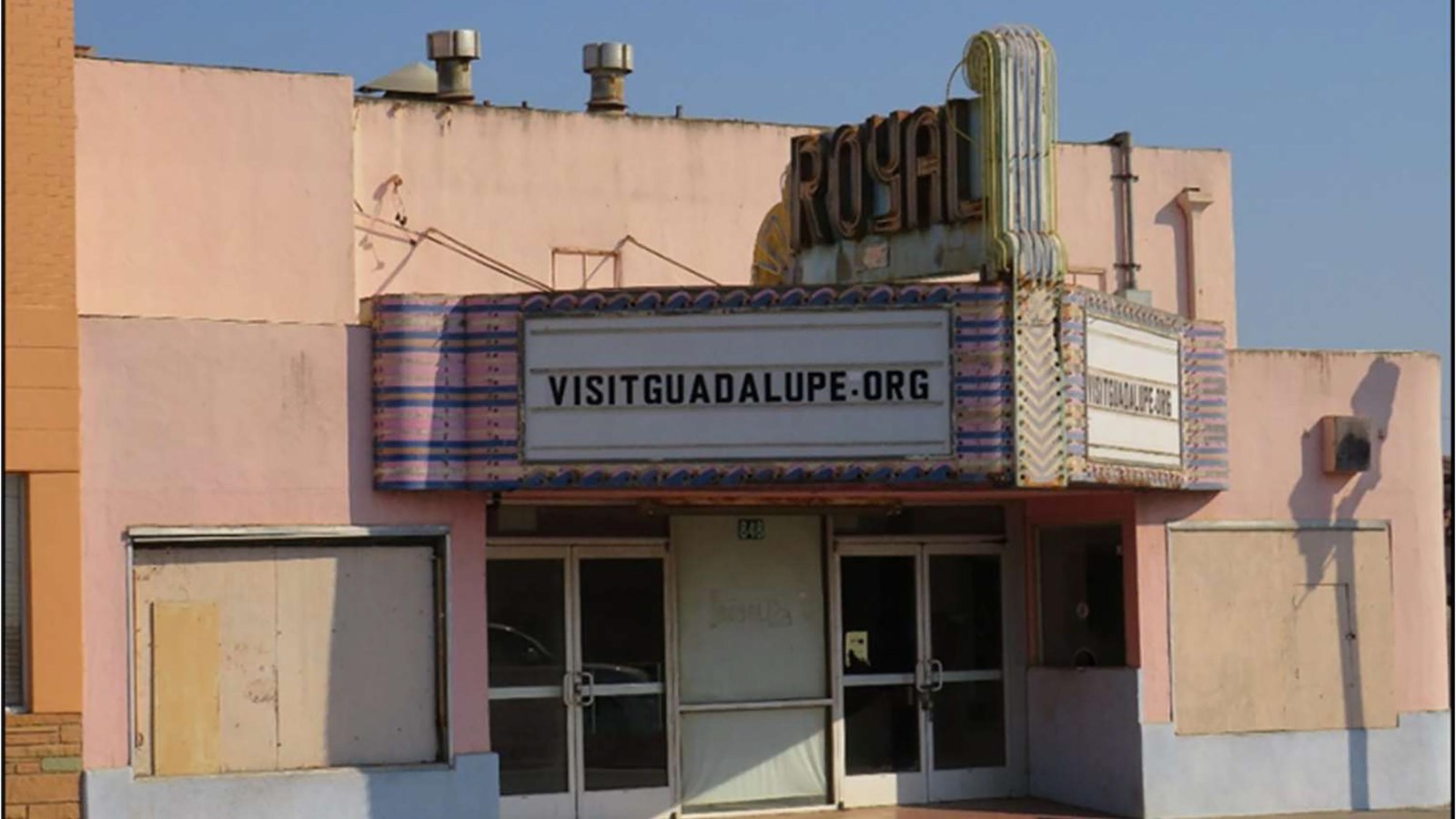
Cinemas run matinee through late night, seven days a week, with the busiest hours on the evenings and weekends most roofing crews would rather work. We plan around it. The schedule is set with the theater's facilities team before we mobilize, loud tear-off is sequenced for off-peak windows, and each roof section is confirmed watertight in writing before the doors open for the evening — an open deck over a sold-out auditorium is not a risk we leave to the forecast. Marquee and entry-canopy attachments, where signage supports punch through the membrane, are handled as individual flashing items; that canopy-to-wall transition over the entrance is the most common chronic leak on an older theater and never gets fixed by replacing the field membrane alone.
Movie Theater Roofing Questions
Typically a 60-mil or 80-mil TPO over tapered polyiso. The taper drains the ponding that collects on a flat theater roof, the 80-mil membrane holds up in the equipment-dense lanes where service crews walk, and white TPO meets the cool-roof requirement on most commercial reroof permits. On a concrete deck that allows it, we may adhere the membrane to avoid concentrating fastener loads over a long span.
We core the roof to confirm the deck type and gauge, then engineer the fastening pattern for how that long-span deck actually deflects and moves with temperature. Older short-rib steel deck pulls out fasteners at much lower values than modern deep-rib deck, so over a 120-foot auditorium the attachment follows the core results rather than a small-building template.
Yes. The assembly helps keep rain noise out and isolate one auditorium from the next, so it is part of the building's acoustics. We avoid stripping a sound-damping assembly down to a thin membrane over bare deck, coordinate before disturbing any acoustic deck or isolation detail, and use the tapered insulation thickness to support both drainage and sound performance.
Each auditorium needs independent air handling for temperature and sound control, usually a dedicated unit per screen, plus concession exhaust, lobby heating, and refrigeration condensers for the food service. That puts a hospital-level density of curbs and conduits on the roof. We inventory and flash each one individually and add walkway pads on the service routes to protect the membrane.
Yes. We build the schedule around the screening calendar, run loud tear-off in off-peak windows, and confirm every section watertight in writing before the evening shows open. Marquee and entry-canopy connections are re-flashed as individual items — that canopy-to-wall joint over the entrance is the usual source of chronic theater leaks and isn't solved by the field membrane alone.
Ready to talk through a roof?
Tell us about the building and the roof problem. We'll document it and put a plan in writing — with an honest repair-vs-replace recommendation and no upsell pressure.